
Indoor Air Quality · Fox Valley & western suburbs
Your HVAC moves the whole house's air several times an hour. Put real filtration in that stream and every room gets cleaner — automatically, all day, no gadgets on the counter.
The indoor air quality industry has an honesty problem — ionizer gadgets, miracle boxes, and plug-in purifiers with more marketing than evidence. So let's be plain about what actually works in a home: serious media filtration in the ductwork, UV light where biology grows, and removing the dust reservoir that's already in the system. That's the menu; everything else is upsell.
The workhorse is a high-efficiency media cabinet: a 4–5 inch deep pleated filter that replaces your 1-inch slot, captures dramatically finer particles — pollen, dander, fine dust — and, counterintuitively, breathes easier than a restrictive 1-inch filter because of its enormous surface area. It treats every room the system serves and needs changing a few times a year instead of monthly.
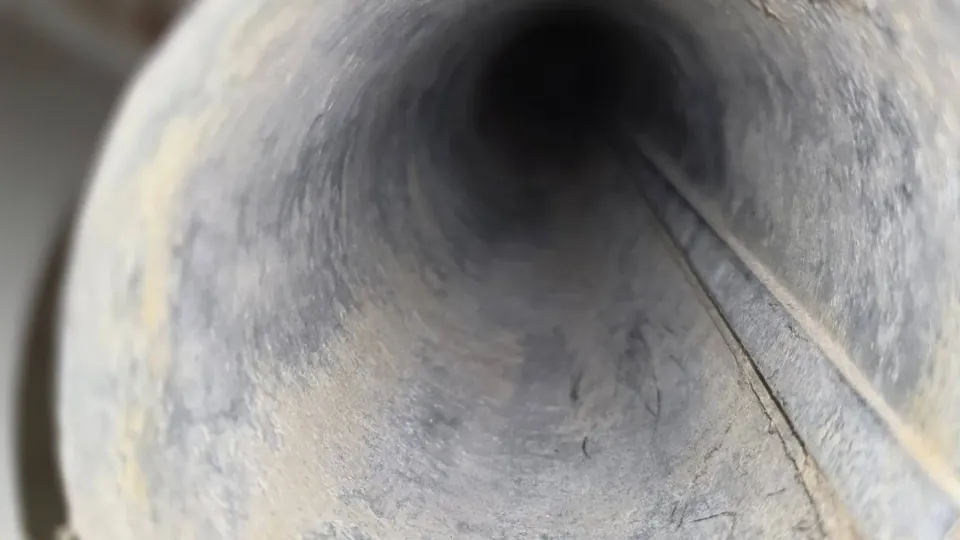
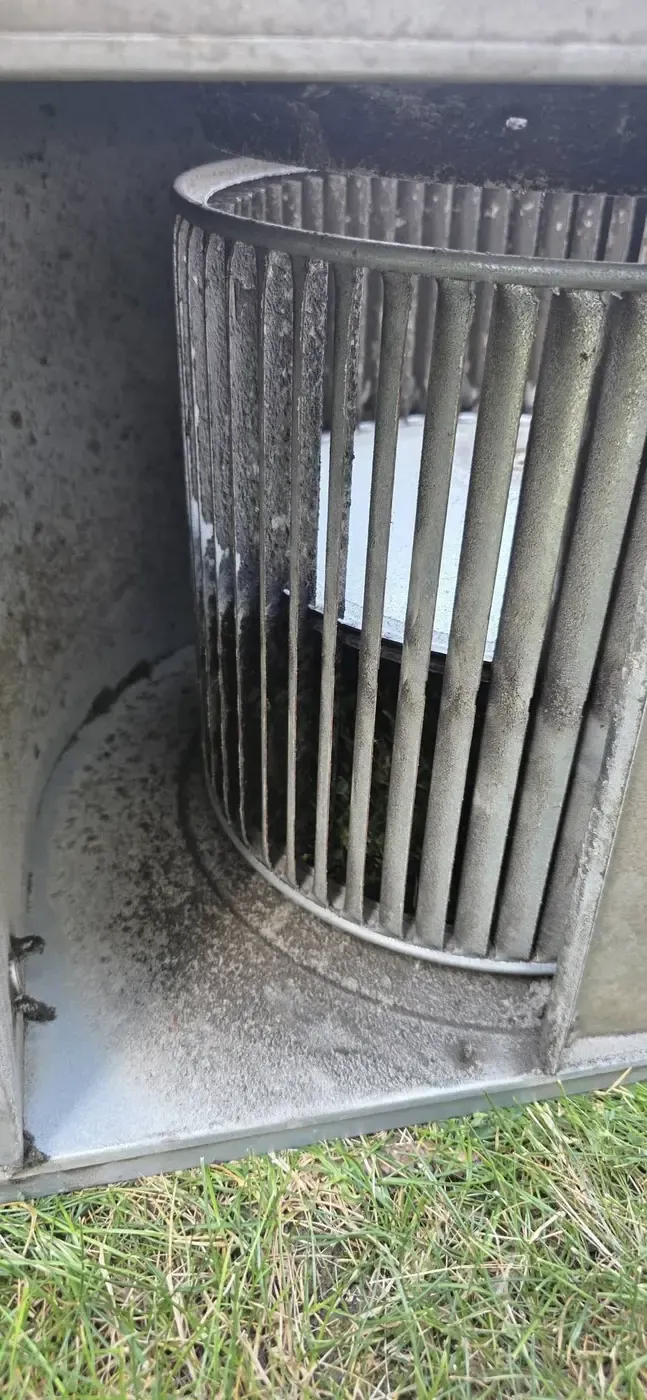
We come at this from an unusual angle: we clean ductwork for a living, so we know exactly what Fox Valley duct systems carry — because we vacuum it out of them. That's why our air quality advice sometimes starts with a duct cleaning to remove the existing reservoir, and why you'll never hear us pitch a filter as a fix for dirty ducts. Different tools, different jobs, honest sequence.
Through a humid Illinois summer, your indoor coil stays damp for months — and damp surfaces in dark moving air grow things. That musty smell when the AC kicks on is often exactly this. A UV lamp mounted at the coil keeps that surface biologically clean at the source, which is a real problem genuinely solved.
What UV is not: an air filter. It removes no dust, no dander, no particles — and anyone selling it as a filtration replacement is selling it wrong. We install UV for what it does, pair it with media filtration for what that does, and explain both in plain English before you spend a dollar.
Good to know
Real filtration makes a real difference — a media cabinet captures the pollen, dander, and fine dust that 1-inch filters pass, across every room, on every cycle. The honest framing: it substantially reduces the airborne load rather than abolishing allergens from the universe, and pairing it with a duct cleaning when there's an existing reservoir multiplies the effect.
High enough to matter, low enough that your blower breathes — which depends on your system's static pressure tolerance. That's why we measure airflow with the new filtration installed instead of just selling the biggest number on the box.
Coverage and effort. A good portable genuinely cleans the room it sits in; a whole-home system treats everything the ductwork serves, automatically, with no floor space and no daily presence. Many allergy households run both — whole-home as the baseline, a portable in the bedroom for extra credit.
One task: annual lamp replacement, since UV output fades before the bulb visibly dies. We can fold it into your regular maintenance visit so it never gets forgotten.
Talk to a real local team about your heating, cooling, or indoor air problem — no call centers, no runaround.
Or email support@apex-climate-control.com · Financing available with credit scores as low as 550