
Heat Pumps & Mini-Splits · Fox Valley & western suburbs
One system that heats and cools, running on electricity at remarkable efficiency — and yes, the modern ones handle Illinois winters. Here's the honest version of how.
For decades the knock on heat pumps was simple: great until it gets cold, useless when it really matters. That era is over. Cold-climate heat pumps now hold useful heating capacity deep below zero, and the question for a Fox Valley home is no longer whether a heat pump can work here — it's which design fits your house and your fuel situation.
For many homes, our favorite answer is dual-fuel: a heat pump paired with a gas furnace on the same ductwork. The heat pump carries cooling season and the long mild-to-moderate stretches of the heating season at electric efficiency; when a real cold snap arrives, the furnace takes over automatically. Each machine does what it's best at, and neither gets asked to be a hero.
What makes or breaks these projects is design discipline. A heat pump sized off the old furnace label, installed with a rushed vacuum and a guessed charge, and configured with default auxiliary settings will disappoint — and the technology gets blamed for the installer's shortcuts. Our installs run the opposite way: load calculation from the actual building, cold-weather strategy chosen on paper before equipment is ordered, and commissioning with instruments at the end.
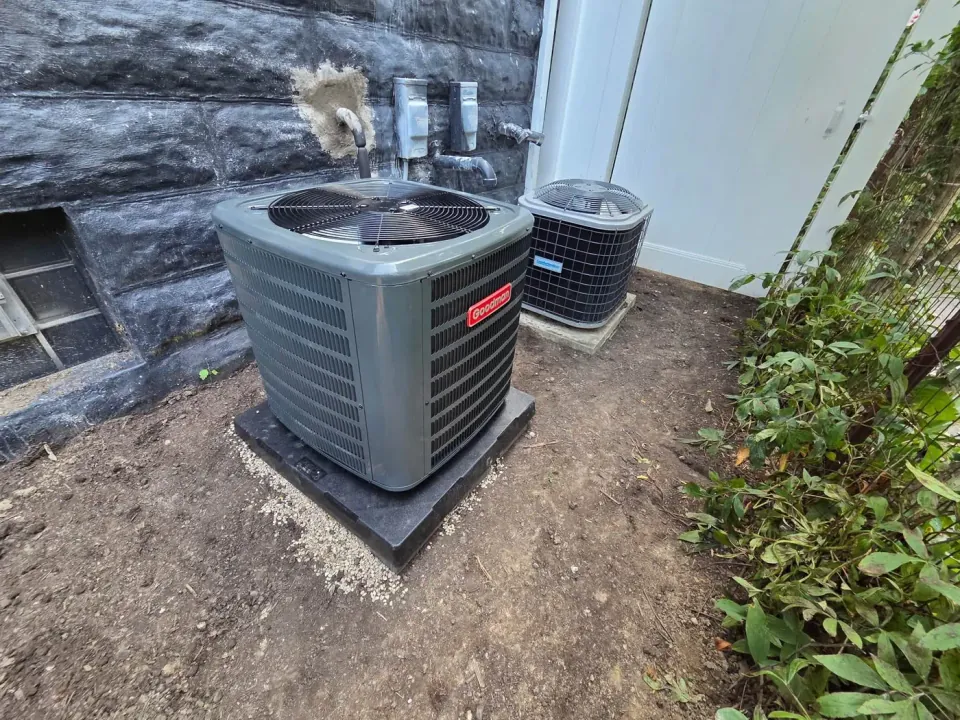
Physics doesn't take sides: every heat pump loses capacity as outdoor temperatures fall. Cold-climate models lose it far more gracefully than builder-grade units, and the design question is what covers the gap on the coldest nights — properly sized backup heat, or a gas furnace in a hybrid setup. We'll show you the balance point for your actual house and let the numbers pick the strategy.
Operating cost depends on what you're replacing and your utility rates, so we run that comparison per-home instead of promising universal savings. Where heat pumps beat propane and resistance heat, we'll say so loudly; where natural gas remains competitive, we'll say that too — and often the hybrid splits the difference beautifully.
Good to know
Sometimes — heat pumps and any backup electric heat draw meaningful power, and older 100-amp panels can be tight. Panel capacity is part of every evaluation we do, and if an upgrade is needed you'll see it in the quote, not discover it on install day.
A cold-climate unit keeps producing heat, with backup heat supplementing at the design point we configured. In a dual-fuel home, the furnace simply takes over. Either way, the answer was engineered before the weather arrived — that's the point of doing the design honestly.
Yes — in cooling mode a heat pump is an air conditioner, full stop. Variable-speed models actually dehumidify better than older single-stage ACs because longer, gentler run times wring more moisture from the air.
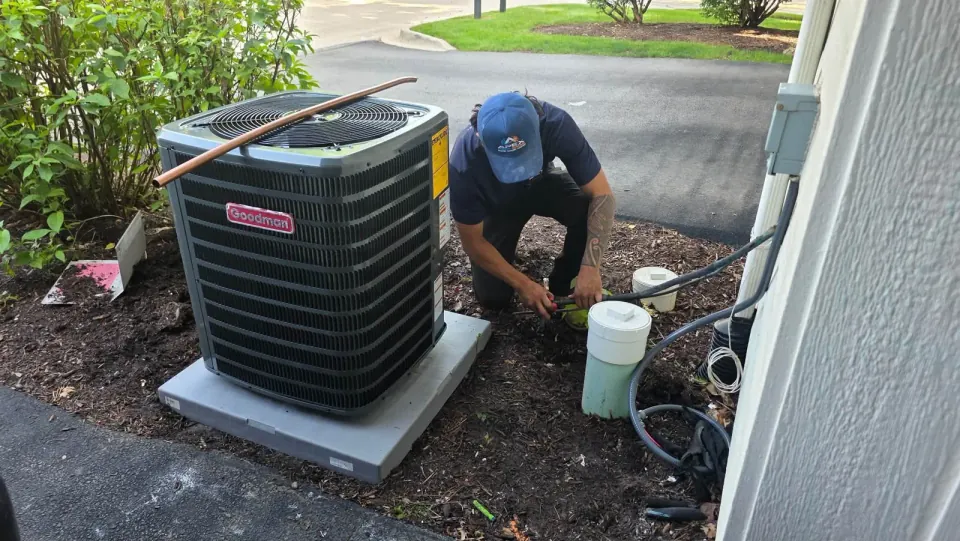
Modern inverter-driven heat pumps are notably quieter than the conventional condensers most people grew up with — variable-speed compressors spend most of their life loafing at low speed. Placement still matters, and we set units where sound and defrost drainage both behave.
Talk to a real local team about your heating, cooling, or indoor air problem — no call centers, no runaround.
Or email support@apex-climate-control.com · Financing available with credit scores as low as 550