Homeowner guide
Manufacturer brochures quote lifespans measured in ideal conditions. Northern Illinois is not ideal conditions. Here's what equipment actually delivers in a climate with four-month heating seasons and humid 90-degree summers — and what determines whether yours hits the high end or the low one.
The national range holds here, but the duty cycle is brutal: a Fox Valley furnace logs more runtime in one winter than a mid-South furnace logs in two or three. The units that reach 20 share a biography — annual maintenance, clean filters, unblocked airflow. The ones that die at 12 usually share one too: years of restricted airflow overheating the heat exchanger, the component whose failure ends the furnace.
Efficiency adds a wrinkle: high-efficiency condensing furnaces extract more heat but manage acidic condensate, which punishes neglect faster. Maintained, they last just as long — and save fuel every single one of their many heating months here.
Illinois ACs get a genuine off-season, which helps — but they also sit outside through freeze-thaw, snow load, and winter grit, then sprint through humid summers where cottonwood packs the coil every June. Compressors die young from running hot and starved: a dirty condenser coil is the most preventable lifespan-shortener in the book.
The 2000s building boom matters locally: whole subdivisions in Oswego, Plainfield, Montgomery, and Yorkville received same-vintage builder-grade systems within a few years of each other, and those neighborhoods are aging out together now. If your neighbors' condensers are being replaced, yours is running on the same clock.
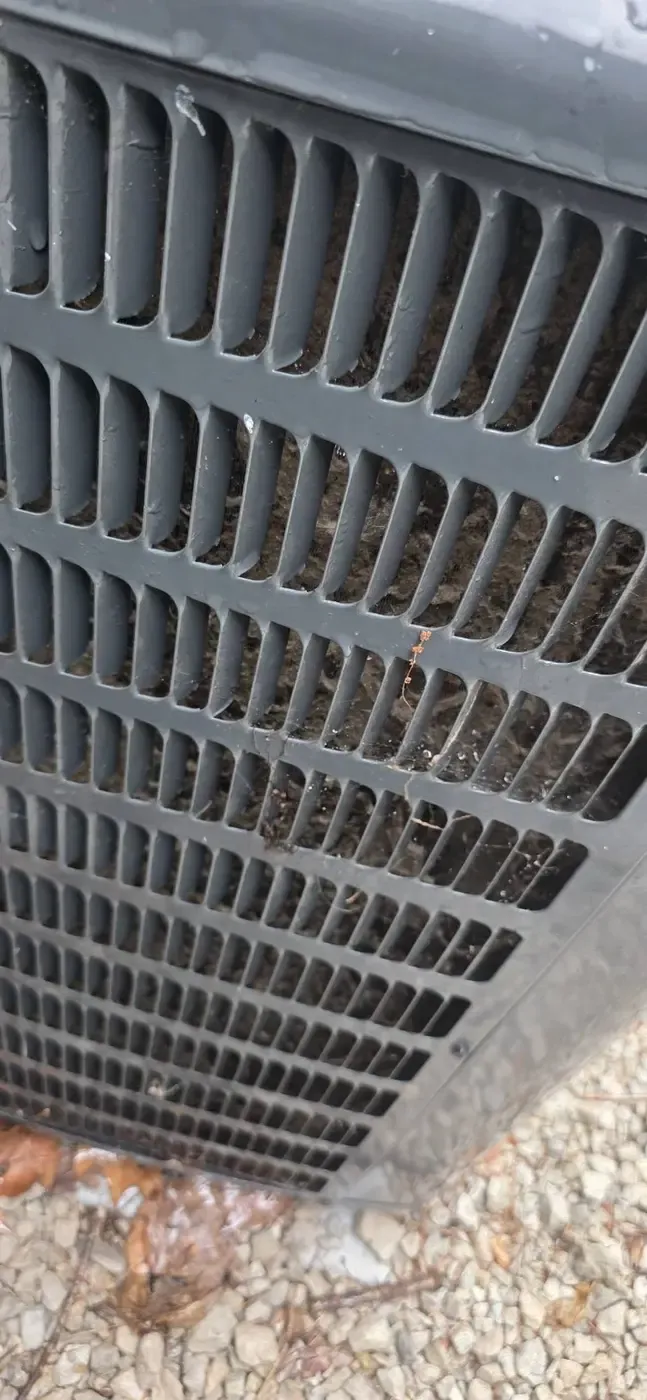
Sheet-metal ductwork outlives multiple systems. What ages is everything about it: joints loosen and leak, flex runs sag and crush, insulation degrades, and the interior accumulates every year of dust, dander, and renovation debris since construction. Duct condition quietly determines how hard both the furnace and AC work — which is why we treat duct cleaning and inspection as part of system longevity, not a separate cosmetic service.
Equipment in the back half of its lifespan deserves a plan: budget numbers gathered on your schedule, specials and financing lined up, and replacement executed on a mild week — not negotiated from a cold house in January. We'll give you an honest read on where your system stands any time: 630-486-0401.
Talk to a real local team about your heating, cooling, or indoor air problem — no call centers, no runaround.
Or email support@apex-climate-control.com · Financing available with credit scores as low as 550