
Homeowner guide
The phrase 'AC tune-up' covers everything from a genuine instrumented inspection to a guy glancing at your condenser for five minutes. Here's what the visit should actually include, so you know what you're buying — from us or anyone else.
A tune-up that doesn't measure anything is theater. The core readings: capacitor microfarads against rated value (weak capacitors are the number-one summer stranding), refrigerant pressures and the temperature split across the indoor coil (together they reveal charge problems and airflow problems), motor amp draws against nameplate (rising draw means a motor working too hard), and voltage at the contactor.
Recorded year over year, these numbers show drift — and drift is the whole game. A capacitor at 80% of rated value cools fine today and strands you in July. Measurement is the difference between finding that in May and finding it during a heat wave.
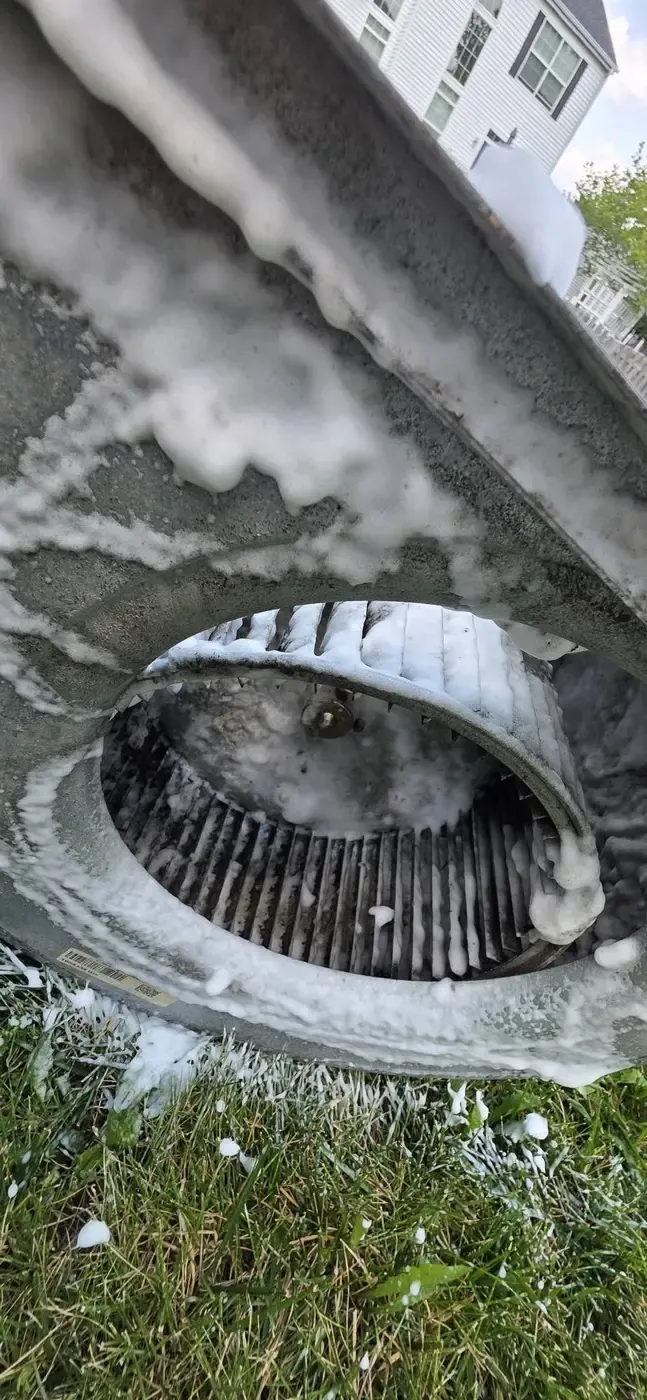
Dirt is the quiet killer of cooling. The condenser coil outside collects cottonwood, grass clippings, and dust until it can't reject heat — efficiency drops, head pressure climbs, and the compressor runs hot and hard. The condensate drain grows algae until it clogs, at which point the float switch shuts the system down (or, without one, the water finds your floor). The blower path collects enough dust to measurably cut airflow.
A real tune-up cleans all three. On heavily loaded systems, the coil cleaning alone produces a difference you can feel at the registers the same afternoon.
Ours is $99 right now (through November 30, 2026), and the math is straightforward: the parts that strand homeowners in July — capacitors, contactors, clogged drains — cost several times that to fix on an emergency call, and a dirty coil quietly inflates every cooling bill all season. One prevented breakdown pays for years of tune-ups.
And the report should be plain: what was measured, what was cleaned, what's drifting, and what — if anything — deserves attention. A healthy system should get a clean bill and a see-you-next-year. Call 630-486-0401 to get on the schedule.
Talk to a real local team about your heating, cooling, or indoor air problem — no call centers, no runaround.
Or email support@apex-climate-control.com · Financing available with credit scores as low as 550